Cultural Heritage Tourism Germany - UNESCO Sites & Living Traditions
From medieval monasteries to baroque libraries, from half-timbered old towns to centuries-old crafts - discover the cultural layers that make Southwest Germany, Switzerland, and Alsace unforgettable.
Heritage That Lives and Breathes
Cultural heritage is more than preserved buildings - it is how communities lived, worked, worshiped, and passed traditions across generations. Southwest Germany, Switzerland, and Alsace hold an extraordinary density of monasteries, libraries, old towns, and crafts that still shape daily life.
This is not museum tourism. It is immersion in places where history remains present - from 900-year-old monasteries and baroque libraries to half-timbered towns and workshops keeping centuries-old skills alive.
We give you context: why these places mattered, what they preserve, how they connect to wider European culture, and why communities still protect them.
Practical Info
Why This Region Matters
Where Borders Created Cultural Richness
Southwest Germany, Switzerland, and Alsace shifted between empires, kingdoms, and nations for centuries. Each transition layered architecture, religion, language, and food. Alsatian towns feel French and German at once; Swiss cities blend Italian, French, and German influences; Swabian monasteries preserved practices that shaped medieval European thought.
UNESCO Recognition and Local Pride
UNESCO sites here are living inheritances. Maulbronn Monastery survives nearly intact after 875 years. Strasbourg's Grande Ile remains a functioning medieval island city. St. Gallen's Abbey Library has safeguarded knowledge for twelve centuries.
These places earned recognition because they still hold outstanding universal value - and visiting them with context reveals why communities continue to protect them.
Three Heritage Journeys
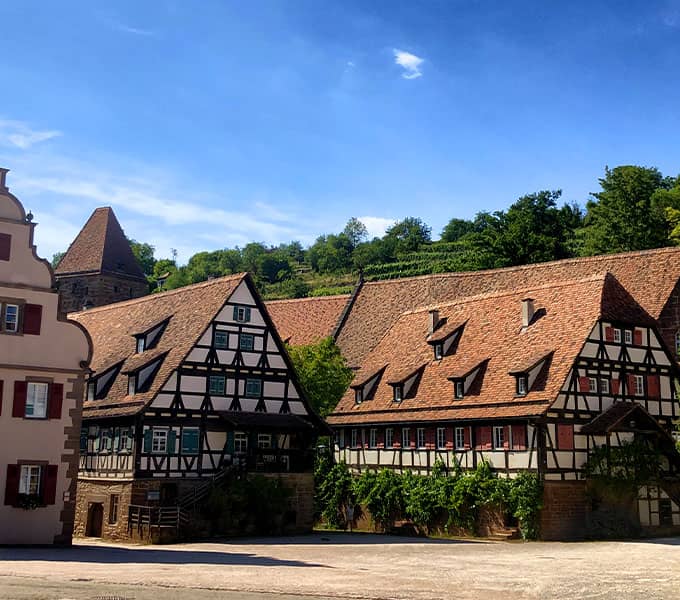
Maulbronn Monastery
Europe's most complete medieval monastic complex
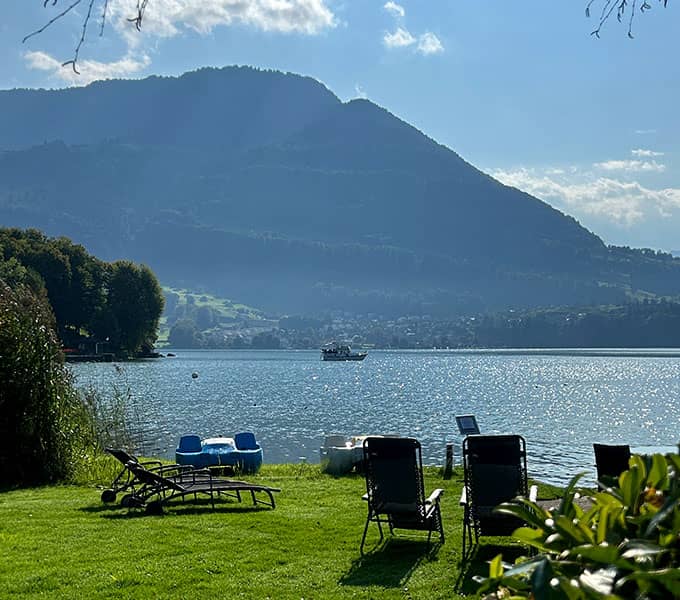
Switzerland – Lake Lucerne (Vierwaldstättersee)
Where Swiss history was born, surrounded by alpine tranquility
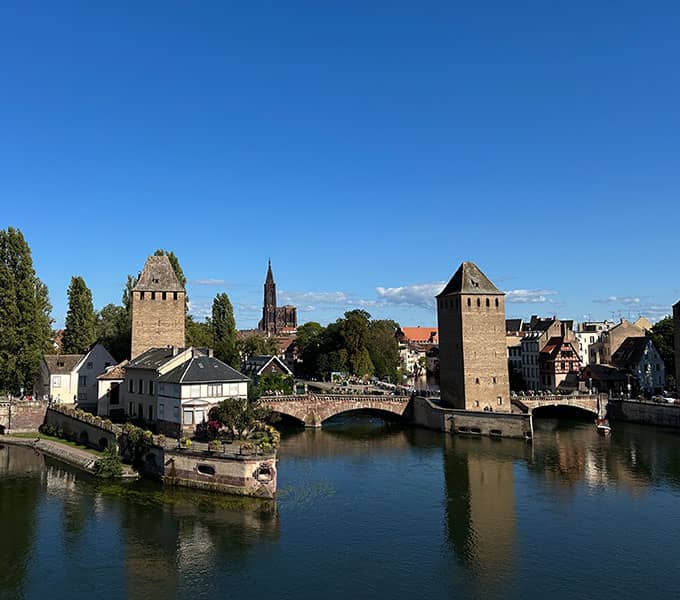
Strasbourg Grande Ile
Medieval island city at Europe's crossroads
Beyond UNESCO: Living Heritage
Traditional Villages That Time Preserved
- Esslingen am Neckar - medieval center, castle ruins, vineyard terraces.
- Tuebingen - university town since 1477 with Neckar riverfront and Stocherkahn boats.
- Colmar and Riquewihr (Alsace) - intact half-timbered streets and fortified wine villages.
Craft Traditions Still Practiced
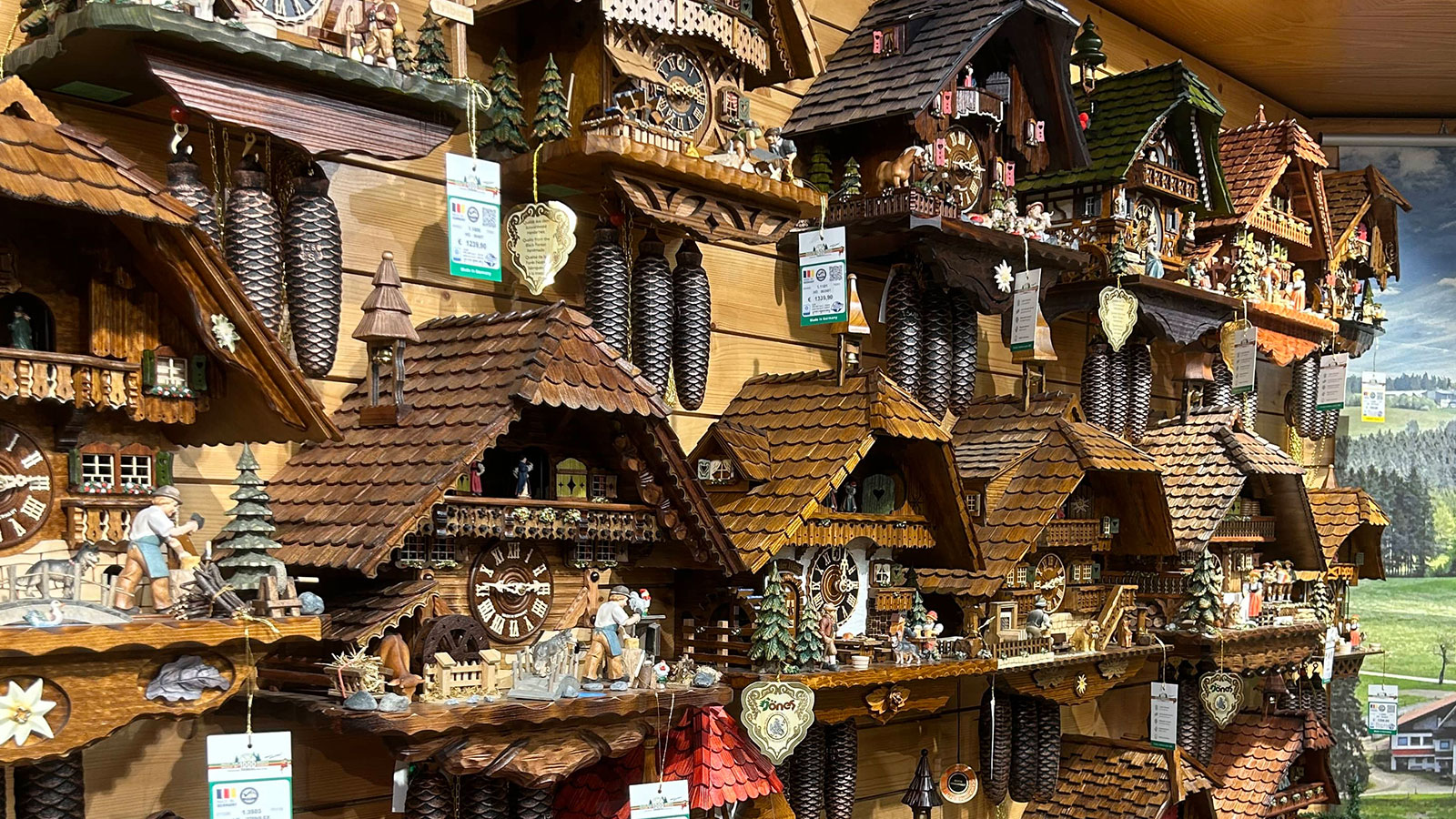
- Black Forest clockmakers continuing 300-year woodcraft.
- Alsace pottery in Soufflenheim and Betschdorf using historic techniques.
- Swiss watchmaking heritage in La Chaux-de-Fonds.
Culinary Heritage
- Swabian classics: Maultaschen, Spaetzle, Zwiebelkuchen.
- Alsatian traditions: choucroute, baeckeoffe, tarte flambee, kougelhopf, Riesling and Gewuerztraminer.
- Swiss alpine staples: fondue, raclette, roesti with cheese-making visits.
How Cultural Heritage Tours Work
Choose deep dives into a single site or multi-day heritage journeys across borders. We tailor routes to monastic life, urban evolution, craft traditions, or culinary heritage.
- Single-Site Deep Dives: Maulbronn day, St. Gallen day, Strasbourg day with thematic focus.
- 2-Day UNESCO Pairings: Maulbronn + Strasbourg, or St. Gallen + Lake Constance region.
- 3-Day Heritage Triangle: Maulbronn + St. Gallen + Strasbourg for a cross-border arc.
- Custom Heritage Focus: Monastic architecture, urban heritage, craft traditions, wine culture, or photography.
Who This Is For
You want to understand how communities preserved what mattered across generations.
- History enthusiasts seeking depth beyond surface tourism.
- UNESCO site collectors and cultural travelers wanting context.
- Educators, students, and thoughtful travelers who value substance.
- Anyone fascinated by how the past informs the present.
Why Private Tours Matter for Heritage
- Time to absorb: Contemplative pacing for cloisters, libraries, and old towns.
- Context that deepens understanding: Architecture, monastic life, and regional identity explained on-site.
- Access beyond tourist routes: Special arrangements, extended hours, or private guides where possible.
- Translation of complexity: Manuscripts, inscriptions, and local dialects made understandable without oversimplifying.
Practical Considerations
Best Times to Visit
- Spring/Fall: Comfortable weather and balanced crowds.
- Summer: Peak season; advance booking essential.
- Winter: Quiet atmosphere; Strasbourg Christmas markets are exceptional.
Physical Requirements
Expect walking on cobblestones and stairs; we adapt routes for mobility needs.
Respectful Engagement
Many sites remain active. We observe photography rules, maintain quiet in sacred spaces, and follow local etiquette.
Ready to Experience Living Heritage?
From monasteries that survived eight centuries of upheaval to libraries that preserved knowledge through wars, cultural heritage here is lived and protected. Whether you want UNESCO icons, traditional crafts, or authentic culinary culture, we design heritage tours that create real connection to the past.
Tell us what draws you - monastic life, knowledge preservation, old towns, or living traditions - and we will build the right journey.
Request Your Heritage Tour
Contact our team to secure your dates or customize this itinerary further.